 UPLOAD FILES
How to Choose the Right Custom Canopy Tent for Any Outdoor Event
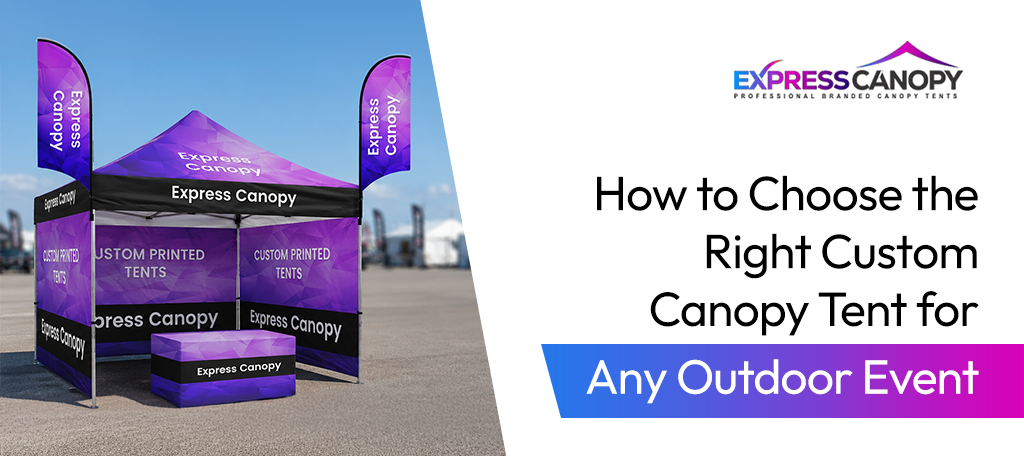
Planning an outdoor event? Whether it's a farmers market, corporate gathering, festival, or product launch, one of the most important decisions you'll make is picking the right custom canopy tent. Getting this choice right can make the difference between a successful event and one where you're scrambling to solve problems in the middle of the day.
The good news is that choosing the right outdoor canopy tent doesn't have to be complicated. You just need to understand what you're looking for and match it to what's actually available. Let me walk you through exactly how to do this.
Understanding What You Actually Need
Before you start shopping for a custom pop up canopy, step back and think about your specific situation. Every event is different, and that's why there's no one-size-fits-all answer.
Ask yourself these questions first. How many people do you expect under the tent? How long will the event last? What kind of weather might you face? Will you be setting up the tent yourself, or will someone help you? These answers will guide everything else you decide.
Think about your booth space too. Are you in a confined area where a big tent won't fit? Or do you have plenty of room to spread out? The physical space you have available matters just as much as what you want to showcase. A tent that looks perfect in your mind might not work if it doesn't fit where you need it to be.
Size Matters More Than You Think
This is where a lot of people make mistakes. They pick a tent size without really thinking about whether it matches their actual needs.
Standard sizes for outdoor canopy tents start at 5x5 feet and go up to 20x20 feet or larger. A 5x5 is great if you're just looking for shade for a couple of people or a small product display. A 10x10 is probably the most popular size because it works for most situations. It gives you enough space for a table, some displays, and people to move around. A 13x13 or larger works well if you're hosting meetings, demonstrations, or expecting bigger crowds.
Here's the thing about sizing that most people don't realize: you need to account for more than just the footprint. Think about how people will walk around inside. Think about heat. A tent that's too small gets stuffy and uncomfortable. People won't want to stay under it, which defeats the purpose. On the other hand, an oversized tent is harder to set up, costs more, and takes up unnecessary space at your venue.
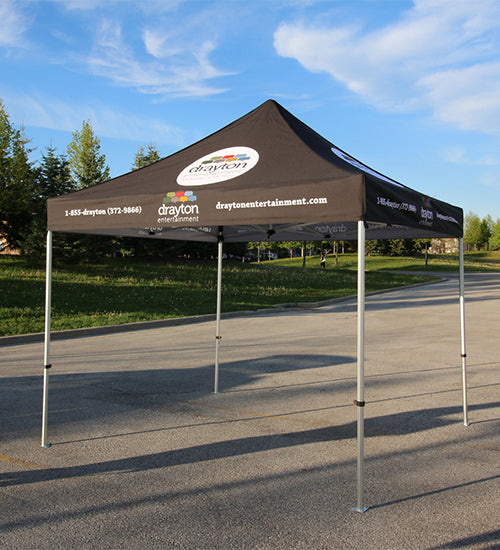
When you're thinking about size, also consider what you're putting inside. A 10x10 branded canopy tent fits one standard 6-foot table comfortably with room for people to browse. If you want two tables or more elaborate displays, go bigger.
Frame Material Makes a Real Difference
Most event canopy tents come with either an aluminum or steel frame. This choice matters because it affects weight, durability, and how easy the tent is to use.
Aluminum frames are lighter and easier to carry around. If you're moving your tent between events regularly, aluminum is your friend. It also resists rust, which is important if you're in a humid climate or near water. The downside is that aluminum frames can sometimes feel less sturdy than steel, though quality matters a lot here. A good aluminum frame is absolutely strong enough for most outdoor events.
Steel frames are heavier but they're tougher and more durable for extreme conditions. If you're using your tent in harsh weather, frequent wind, or really rugged environments, steel might be worth the extra weight. Steel also tends to be less expensive than aluminum.
The frame material you choose depends on your situation. If you're going to one or two events a year in mild weather, aluminum is fine. If you're a vendor who sets up multiple times a month in different conditions, you might prefer steel for the extra durability.
Fabric Quality and Features
The canopy fabric itself is just as important as the frame. You want fabric that lasts and actually protects people from the elements.
Most quality outdoor canopy tents use polyester fabric because it's durable and resists fading. The density of the fabric matters though. Higher quality fabric is thicker and offers better protection from UV rays. Look for at least 500 denier polyester if you want something that will last years rather than months.
Waterproofing is another key feature. A good custom pop up canopy should have water-resistant or waterproof fabric. This doesn't mean it will survive a hurricane, but it will handle regular rain without soaking through immediately. Some tents have better waterproofing than others, so check the specifications before you buy.
Ventilation is something people often overlook. A tent with good airflow keeps things cooler inside and reduces heat stress during hot days. Look for tents that have open sides or vents built into the design.
Branding and Customization Options
If you're using a branded canopy tent for business, the graphics matter. You want your logo and message to be visible and professional-looking.
Most custom canopy tents can be printed with your branding. Full-color dye sublimation printing is the best option because it produces sharp, detailed images that don't fade as quickly as other methods. The printing should be done on the fabric, not just applied on top.
Think about what you want to communicate. Your company name and logo are obvious, but what about your message or value proposition? A good branded canopy tent tells people who you are at a glance. Keep the design clean and readable from a distance, not cluttered with too much text.
If you're not ready to fully customize yet, some vendors offer blank canopy tents that you can add graphics to later. This gives you flexibility as your needs change.
Budget Considerations That Actually Matter
Custom canopy tents range from a few hundred dollars to several thousand, depending on quality and size. Understanding what affects the price helps you make a smarter decision.
Size is the biggest price factor. A 5x5 tent costs much less than a 10 x 10 and 20x20. Frame material matters too, with aluminum typically costing more than steel upfront, though it lasts longer. Full customization with printing costs more than blank options.
But here's what matters: buy the best quality you can afford for your situation. A cheap tent that falls apart after two uses wastes money. A mid-range quality tent that lasts five years is usually a better investment than the cheapest option. Think of it as cost per use.
Don't just look at the initial price either. Factor in whether you'll use the tent multiple times. If you're using it ten times a year, spending $1,000 on a tent that lasts five years is only $20 per use. That's reasonable for a professional outdoor presence.
Portable Options for People On the Go
If you're setting up tents frequently, portability matters. You want something that's genuinely easy to carry and assemble.
Look for lightweight frames and compact carrying cases. A truly portable tent should pack down to something one or two people can handle. Pop up canopy tents with automatic frame systems are great because they set up in minutes without special tools or multiple people.
If you're traveling to different cities or venues, weight becomes critical. You don't want to spend an hour fighting with a heavy tent when you should be preparing for your event.
Accessories That Actually Make a Difference
A bare tent is just the start. The right accessories make your setup more functional and professional.
Sidewalls protect from wind and provide privacy. They're especially useful if you're doing consultations or want to control how much light comes in. Sandbags or weights keep the tent stable in windy conditions, which is essential for safety. A table and chairs make your space functional. Lighting extends your usability into evening hours.
Think about what you specifically need. A vendor booth might need sidewalls and a good table. A promotional tent might focus on eye-catching graphics and lighting. A hospitality tent might prioritize shade and cooling options.
Weather Resistance for Real Conditions
Outdoor events mean outdoor weather. Your tent needs to handle whatever conditions you might face.
Look for UV protection in the fabric if you're in sunny climates. This keeps the colors from fading and protects people from sun damage. Waterproofing is important but remember that no tent is completely waterproof in extreme conditions. The fabric can repel water, but heavy rain will eventually find its way in if water is sitting on the top.
Wind resistance depends on proper installation. A tent that's not staked down securely will blow away in winds that it could otherwise handle. Quality frame construction matters for wind resistance too. Better tents have reinforced joints that can flex without breaking.
Making Your Final Decision
After thinking through all these factors, making your choice becomes straightforward. You know your event size, budget, and use case. You understand what features matter most. You have a realistic sense of how often you'll use the tent and what conditions it will face.
Start with reputable vendors who have good reviews and stand behind their products. Look at the warranty because it tells you how confident the manufacturer is in the quality. Ask about return policies in case the tent doesn't work for your situation.
Don't rush the decision. A custom canopy tent is an investment in your outdoor presence, whether it's for business or personal use. Take time to get it right.
Frequently Asked Questions
How do I choose a custom canopy tent?
Start by determining your needs: event size, frequency of use, weather conditions, and budget. Measure your space and consider whether you need branding. Then match these requirements to tent options in your price range. Focus on frame quality, fabric durability, and features that matter most for your specific use.
What size custom canopy tent do I need?
A 5x5 fits 1-2 people for shade. A 10x10 works for one table and small gatherings. A 13x13 or larger is better for two tables or expecting bigger crowds. Consider that people need room to move around, not just the footprint of your display.
What is the best canopy tent for outdoor events?
The best tent depends on your situation, but a quality 10x10 with aluminum frame, water-resistant polyester fabric, and UV protection works well for most outdoor events. Look for tents with good reviews and solid warranties.
Are custom canopy tents waterproof?
Most are water-resistant, meaning they shed light rain. True waterproofing depends on fabric quality and how well the tent is installed. Quality tents with proper sealing handle rain well, but heavy downpours may eventually cause water penetration.
How long do custom canopy tents last?
A quality tent with proper care lasts 5-10 years. Frequency of use matters though. A tent used monthly lasts longer than one used weekly. Proper storage and maintenance extend the lifespan significantly.
What is the difference between a pop up canopy and a canopy tent?
The terms are often used interchangeably. Pop up canopies have automatic frame systems that deploy quickly. Traditional canopy tents use manual frames. Pop ups are more convenient for frequent setup and breakdown.
Which canopy frame is better between steel and aluminum?
Aluminum is lighter and won't rust, making it better for frequent transport. Steel is heavier but more durable in extreme conditions and usually costs less. Choose based on your use case and location.
Can I print my logo on a canopy tent?
Yes. Full-color dye sublimation printing works best for custom branding. The printing should be on the fabric itself for best quality and durability. Blank tents can also be customized later.
What accessories do I need for a custom canopy tent?
Essential accessories depend on your use. Most people need stakes or weights for stability, a carrying case, and proper tarps for protection. Many benefit from sidewalls, lighting, and tables. Think about your specific event needs.
How much does a custom canopy tent cost?
Prices range from a few hundred to several thousand dollars depending on size, quality, and customization. A quality 10x10 typically runs $400-$1,000. Custom branding adds cost. Consider cost per use over the tent's lifespan to make smart purchasing decisions.